Childhood Malnutrition in India: How Affordable Diet Education Makes a Difference
What causes childhood malnutrition in India, and how can simple, affordable diet education help? Learn the signs, causes and practical steps.
A healthy childhood starts with good food. When children do not get enough of the right nutrients, their growth, learning and immunity can all suffer.
The encouraging news is that much of this can be prevented, and often with food that families can already afford.
What is malnutrition?
Malnutrition means a child's body is not getting the right balance of nutrients. It includes:
-
Undernutrition: too little food or too few nutrients, which can show up as low weight or slow growth
-
Micronutrient deficiencies: too little iron, vitamin A, iodine or similar, such as anaemia
-
Overweight: too many calories with too few nutrients
Why does it happen?
Malnutrition rarely has one cause. Common reasons include:
-
Low family income and rising food prices
-
Limited knowledge about balanced meals and infant feeding
-
Frequent illness, such as diarrhoea, that stops children absorbing nutrients
-
Unsafe water and poor sanitation
-
Early marriage and poor health of mothers
Possible signs to watch for
-
Weight or height well below what is normal for the child's age
-
Frequent tiredness or low energy
-
Frequent infections
-
Pale skin or eyes, which can indicate anaemia
-
Slow learning or difficulty concentrating
These signs can have other causes. A doctor or health worker can check a child properly.
How diet education helps
In many cases, the problem is not only a lack of food but a lack of knowledge about how to use it. Diet education can help families:
-
Feed infants properly, with breastfeeding and timely, safe complementary foods
-
Build balanced plates using grains, pulses, vegetables, fruit, milk, eggs and other local foods
-
Make affordable choices, such as seasonal vegetables, pulses, groundnuts, jaggery and leafy greens
-
Keep food safe, with clean water, handwashing and proper storage
-
Spot problems early and know when to visit a clinic
Affordable foods that support healthy growth
|
Food group |
Examples |
Why it helps |
|
Grains and millets |
Rice, wheat, ragi, jowar |
Energy for growth and play |
|
Pulses and legumes |
Dal, chana, rajma, groundnuts |
Protein and iron |
|
Leafy greens |
Spinach, fenugreek, amaranth |
Iron, vitamins and fibre |
|
Fruits and vegetables |
Seasonal local produce |
Vitamins and minerals |
|
Milk, eggs, curd |
If available and acceptable |
Protein, calcium and vitamins |
What communities can do
-
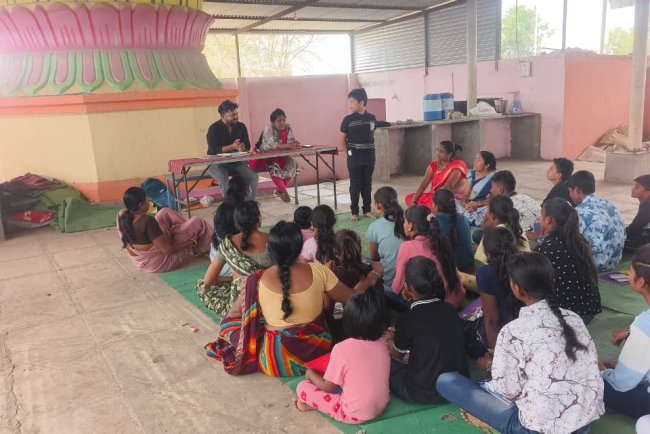
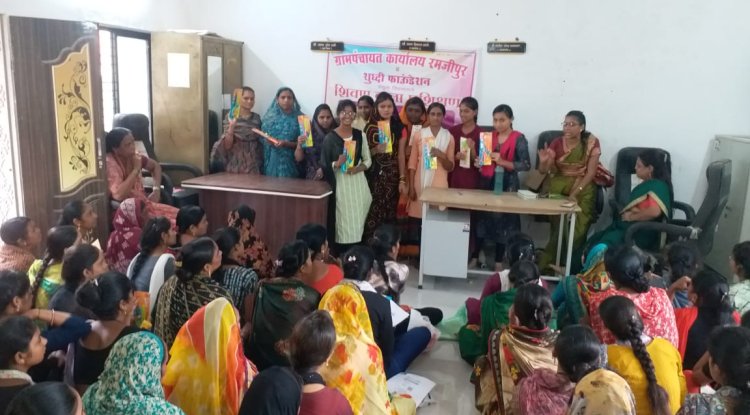
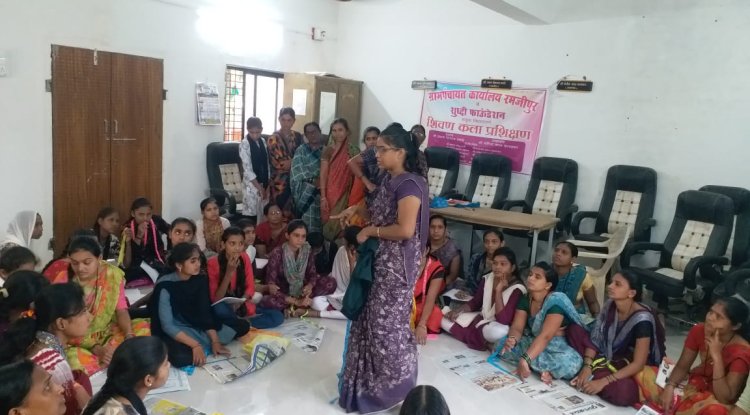
Hold awareness sessions for mothers and caregivers
-
Run regular weight and height checks for children
-
Link families with anganwadi and local health services
-
Encourage kitchen gardens and home-grown vegetables
-
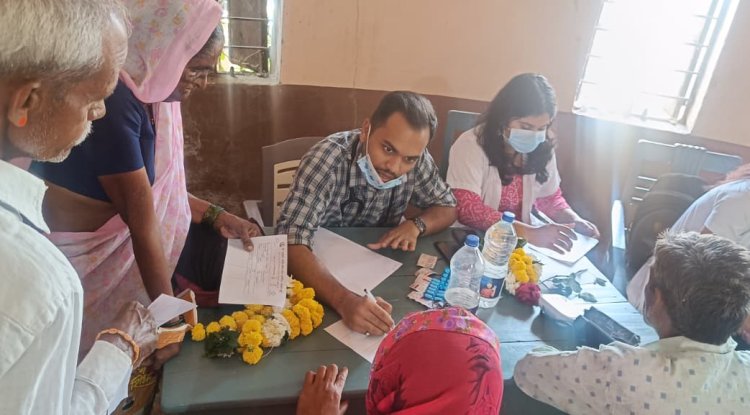
Support health camps. See our guide to free medical camps
How you can help
Donate toward nutrition awareness and health camps, volunteer at a community session, or share what you know with neighbours. Donate or volunteer.
Frequently asked questions
Can malnutrition be reversed?
Many cases improve with the right food and care. A doctor should guide treatment for severe cases.
Is expensive food needed for a healthy diet?
No. Simple local foods, chosen well, can give most children what they need.
When should I see a doctor?
If a child is not growing as expected, gets sick often or seems very weak, see a doctor or health worker.
This article is general information and not medical advice.
Support child nutrition with Shuddhi
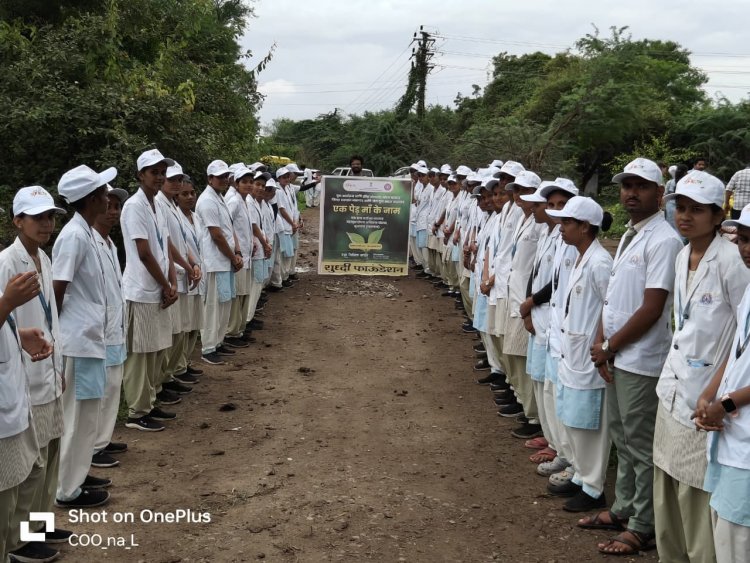
Shuddhi Foundation supports health and nutrition awareness in communities across Maharashtra.
Support child nutrition
What's Your Reaction?