CSR Partner NGO in Maharashtra: How Companies Choose the Right One
Choosing a CSR partner NGO in Maharashtra? Learn the 8 checks that matter, from CSR-1 and 80G to impact reporting and local presence.
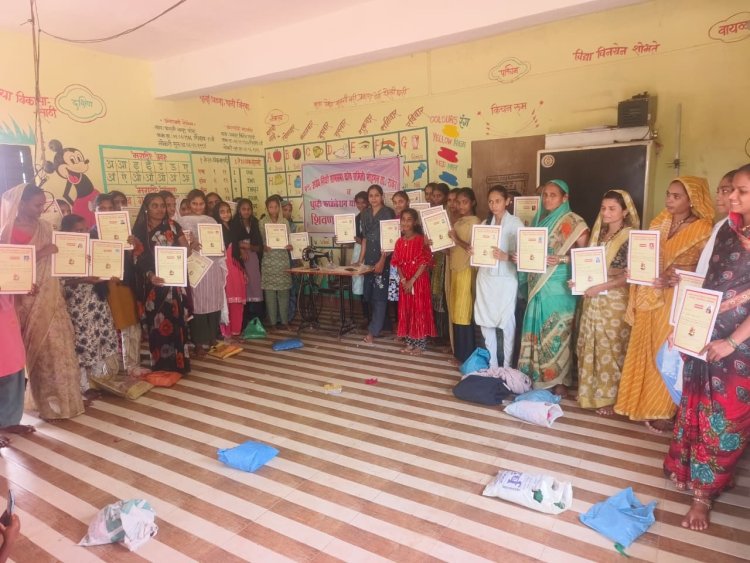
Under India's Companies Act, many larger companies must spend a share of their profits on corporate social responsibility (CSR). Most do this by working with an NGO as an implementing partner.
The NGO you choose affects the impact of the money, your compliance and your company's reputation. Here is how to choose well.
Note for the editor: CSR rules are updated from time to time. Have a CSR or legal adviser check the legal points in this post before publishing.
CSR in brief
Section 135 of the Companies Act, 2013 requires companies above certain thresholds of net worth, turnover or net profit to spend at least 2% of their average net profit of the previous three years on CSR. Permitted areas under Schedule VII include education, healthcare, women's empowerment, skill development, environmental sustainability and poverty reduction.
8 checks before choosing a CSR partner NGO
-
CSR-1 registration. An NGO that implements CSR projects must be registered with the Ministry of Corporate Affairs and hold a CSR registration number. See what CSR-1 means.
-
12A and 80G registrations. These are required for CSR-1 registration and show the NGO is recognised by the tax department. See 12A vs 80G.
-
Track record. Look for projects similar in size and type, with dates, places and results.
-
Financial transparency. Ask for audited accounts and annual reports for recent years.
-
Alignment with Schedule VII. The project must fall under permitted CSR activities.
-
Local presence and team. An NGO with staff and volunteers on the ground can deliver and monitor more reliably.
-
Monitoring and reporting. Ask how outputs and outcomes are tracked, how often you will receive reports and what data you can use in your annual CSR report.
-
Clean governance. Check the NGO's board, policies and any legal or regulatory issues. A site visit helps.
Documents to ask for
-
Registration certificate (trust deed, society or Section 8 certificate)
-
PAN, 12A/12AB and 80G certificates
-
CSR-1 registration number
-
NGO Darpan ID
-
Audited financial statements and annual reports
-
Project proposal, budget and timeline
-
Past project reports and photos
How a CSR partnership usually works
-
Discovery. Company and NGO discuss goals, location and budget.
-
Proposal. The NGO shares a plan with activities, budget and expected outcomes.
-
Agreement. Both sign an agreement covering scope, payments, reporting and responsibilities.
-
Implementation. The NGO runs the project and shares progress.
-
Monitoring. The company reviews reports and visits the site.
-
Closure and reporting. The NGO provides final reports and utilisation details for the company's records.
CSR project ideas that suit Maharashtra
-
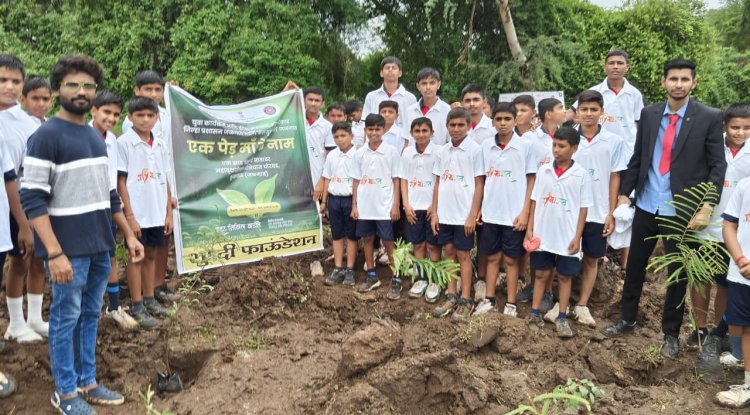
Tree plantation and aftercare. See our corporate plantation guide
-
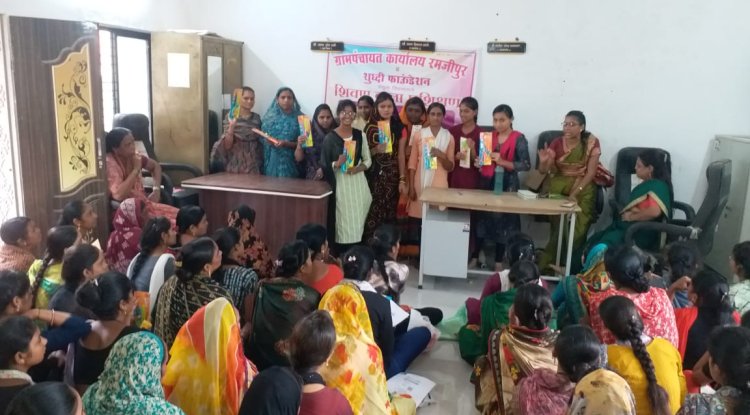
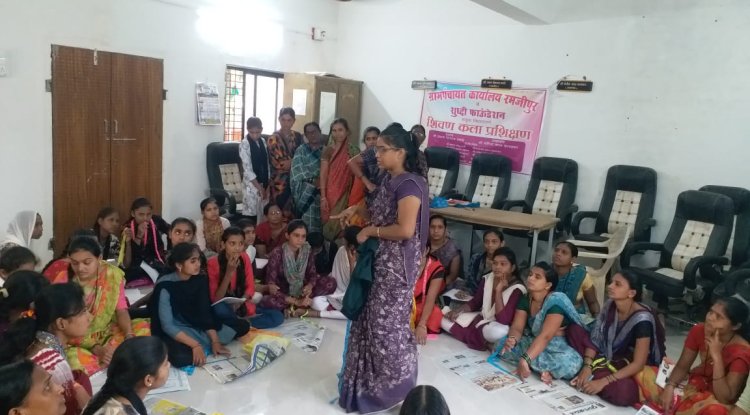
Vocational training and livelihoods for women
-
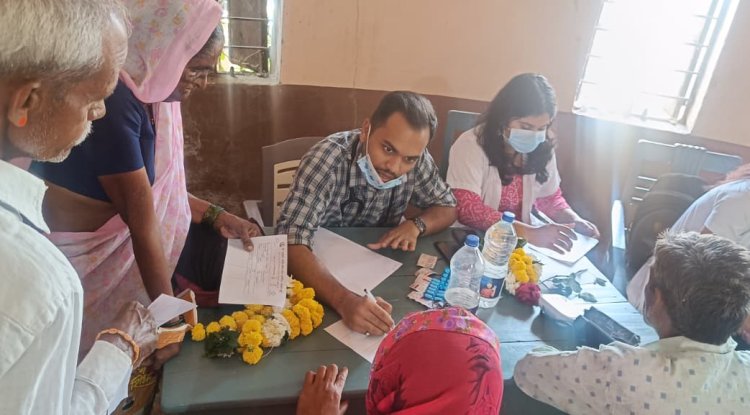
Community health camps and screening
-
Nutrition and health awareness
-
Education and digital literacy
Common mistakes to avoid
-
Choosing on cost alone
-
Skipping due diligence on registrations
-
Not agreeing how impact will be measured
-
Funding short events with no follow-up
-
Ignoring the compliance paperwork
Frequently asked questions
Does a company have to use an NGO? No. Companies can also run CSR directly or through certain other entities. NGOs are a common choice for local delivery.
Can a small company do CSR? CSR spending is mandatory only above the legal thresholds, but any company can contribute voluntarily.
Is CSR spending tax deductible? CSR spending rules differ from ordinary donations. Check with your tax adviser.
Partner with Shuddhi
Shuddhi Foundation is registered for CSR (CSR-1). We can design a project around your goals in women's skill development, health or environment.
Request a CSR proposal
What's Your Reaction?