Why Preventive Health Screening Matters in Underserved Neighbourhoods
Preventive health screening catches problems early and saves lives and money. Learn why it matters most in underserved areas and how to get started.
Most of us go to the doctor when something hurts. But some of the most serious conditions, such as high blood pressure and diabetes, can quietly build for years with few warning signs.
Preventive health screening finds these problems early, when they are easier and cheaper to manage. For families in underserved neighbourhoods, it can be especially valuable.
What is preventive health screening?
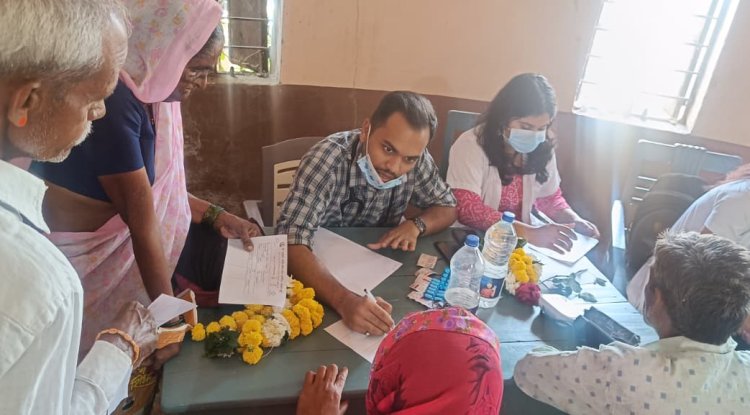
It means checking for health problems before symptoms appear, or before they become serious. A basic screening may include blood pressure, blood sugar, weight and height, eye and dental checks, and a talk with a health worker.
Why it matters more in underserved areas
-
Care is far or costly. Many families only see a doctor in an emergency.
-
Daily wages are at stake. A day at the clinic can mean a day without income.
-
Awareness is low. People may not know the signs of conditions like diabetes or anaemia.
-
Problems pile up. Untreated conditions can lead to long hospital stays and large bills.
Early screening breaks this cycle by finding problems when they are small.
Common screenings that make a difference
|
Screening |
What it checks |
Why it helps |
|
Blood pressure |
Heart and circulation health |
High blood pressure often has no symptoms |
|
Blood sugar |
Risk of diabetes |
Early control prevents complications |
|
Haemoglobin |
Anaemia |
Common in women and children |
|
Height and weight |
Growth and nutrition |
Shows malnutrition or obesity early |
|
Eye test |
Vision problems |
Helps with school, work and safety |
|
Dental check |
Teeth and gums |
Prevents pain and infection |
Which screenings are right for a person depends on age, sex and health history. A doctor can advise.
Who benefits most?
-
Women, who often put family health first and their own last
-
Children, whose growth and learning depend on good health
-
Older adults, who face a higher risk of long-term conditions
-
Daily-wage workers, who cannot easily take time off
What happens after screening?
Screening only helps if it leads to action. Good programmes:
-
Explain the results in simple language
-
Give basic advice on food, activity and habits
-
Refer anyone with a concern to a doctor or hospital
-
Follow up to check that people got care
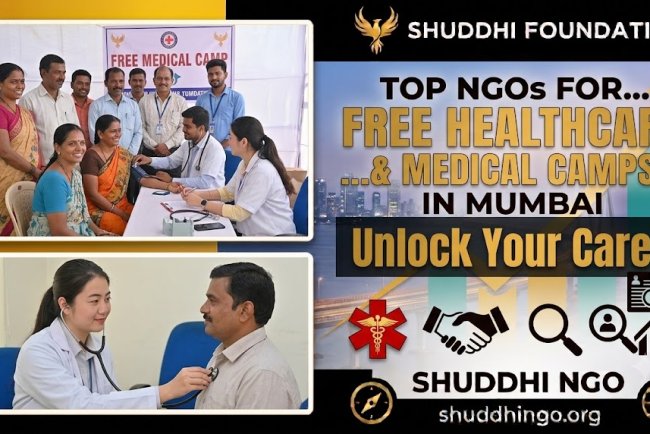
For how camps work in practice, see our guide to free medical camps.
Simple steps you can take today
-
Get a basic check-up at least once a year
-
Know your blood pressure and blood sugar numbers
-
Eat a balanced diet and stay active
-
Visit a doctor if something feels wrong, instead of waiting
-
Encourage family and neighbours to get screened
How you can help
Volunteer at a camp, donate toward tests and supplies, or help spread the word about upcoming screenings. Donate or volunteer.
Frequently asked questions
Is screening a diagnosis?
No. It flags possible problems. A doctor confirms and treats them.
How often should I be screened?
It depends on age and risk. Ask a doctor for advice that suits you.
Is it safe for children?
Basic checks such as height, weight and vision are safe and useful. A paediatrician can advise on others.
This article is general information and not medical advice.
Support community health with Shuddhi
Shuddhi Foundation brings health awareness and screening to communities across Maharashtra.
Support a health camp
What's Your Reaction?