Skill Development NGO in India: How to Choose the Right One
Looking for a skill development NGO in India? See what these NGOs teach, how to judge their training, and how to join or support a programme.
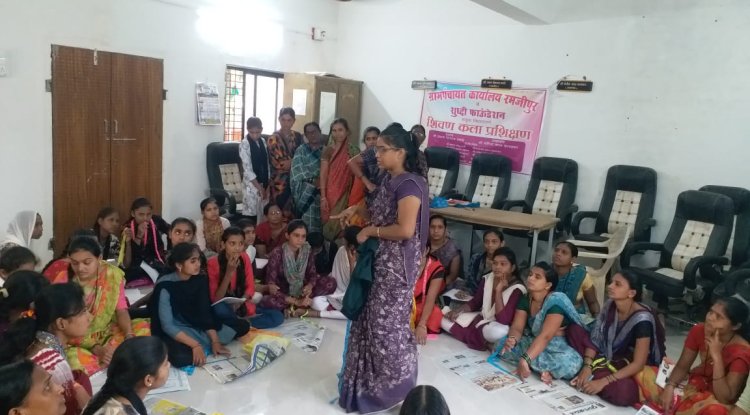
Many people have the energy to work but not the training that employers or customers ask for. A skill development NGO helps close that gap. It teaches practical skills, builds confidence and helps people turn what they learn into a steady income.
Whether you want to learn, donate or volunteer, here is how these NGOs work and how to pick a good one.
What does a skill development NGO do?
A good skill development NGO does more than run a class. It usually:
-
Trains people in a practical skill with hands-on practice
-
Builds confidence through group learning and mentoring
-
Connects learners to work, such as jobs, local orders or small businesses
-
Supports them afterward with follow-up, advice and sometimes tools or small finance
-
Tracks results, so it knows how many people actually started earning
Types of skills NGOs teach
|
Type of skill |
Examples |
Who it helps |
|
Vocational skills |
Tailoring, handicrafts, beauty services, food preparation |
People who want to earn from a trade |
|
Digital skills |
Using a phone, email, the internet, basic computer work |
Students, women and job seekers |
|
Life skills |
Communication, money management, teamwork, confidence |
Young people and first-time workers |
|
Entrepreneurship |
Pricing, record keeping, marketing, small business basics |
Anyone starting a small venture |
Life skills and vocational skills: what is the difference?
Vocational skills are job skills, such as stitching or computer data entry. Life skills are the habits that help in any job or in daily life, such as speaking clearly, managing money and solving problems. The strongest programmes teach both. A person who can stitch well but cannot price her work or speak to customers will find it harder to earn.
6 signs of a good skill development NGO
-
Training is practical. Learners spend most of their time doing, not just listening.
-
It matches local demand. The skills taught are ones that people nearby actually pay for.
-
Trainers are skilled and supportive. Ask about their experience.
-
There is follow-up. The NGO helps learners find work or customers after the course.
-
Results are tracked and shared. It can tell you how many people completed the course and what they did next.
-
It is open about money and registration. Look for 12A and 80G registrations and published annual reports. See our guide to checking if an NGO is genuine.
Questions to ask before you join or donate
-
Is the training free, or are there any charges?
-
How long is the course and what will I be able to do at the end?
-
Do you give a certificate?
-
Do you help with jobs, orders or starting a business?
-
Can I speak to someone who completed the course?
Be careful of any programme that asks for money in return for a guaranteed job.
How you can support skill development
-
Donate. Your gift can pay for trainers, materials and tools. Learn how to donate safely.
-
Volunteer as a trainer or mentor. Share a skill for a few hours a month.
-
Hire or buy from trainees. Orders from learners give them their first customers.
-
Partner as a company. Employees can volunteer, and CSR funds can support a programme.
Skills training at Shuddhi Foundation
Shuddhi Foundation runs practical skills programmes for women in Maharashtra, covering areas such as tailoring, handicrafts, digital literacy and entrepreneurship. See where to start in our guides to free skill training for women and skill development NGOs in Mumbai.
Frequently asked questions
Which is the best skill development NGO in India? There is no single best one. The right NGO is one that teaches skills people use locally, shows its results and is open about its finances. Use the six signs above to compare.
Are skill development courses at NGOs free? Many are free or low cost. Always ask in advance.
Can I join without formal education? Often yes. Many practical courses do not need a degree.
How long does training take? It varies from a few weeks to a few months, depending on the skill.
Learn, give or volunteer
If you want to learn a skill, support a learner or teach one yourself, we would love to hear from you.
What's Your Reaction?